If you've had the feeling that DNA has been in the news a lot in recent weeks, you'd be right. The latest sensational use of a new generation of genetic technologies occurred late last month when the person suspected of being the Golden State Killer was ensnared by a relative's use of a genealogy site.
The New York Times recounts the saga in How a Genealogy Site Led to the Front Door of the Golden State Killer Suspect. From the article:
The big players in commercial DNA testing — including 23andMe and AncestryDNA — extract genetic profiles from the saliva that customers send to the company in a tube by mail. It would not be easy for law enforcement to upload a profile to one of those sites. Over the past few years, numerous smaller genealogical websites have emerged, however, giving customers more avenues to upload a DNA profile and search for relatives.
If law enforcement located the suspect through a genealogy site, it could raise ethical issues, particularly if individuals did not consent to having their genetic profiles searched against crime scene evidence. GEDmatch said in its statement that it had warned those who used its site that the genetic information could be used for other purposes.
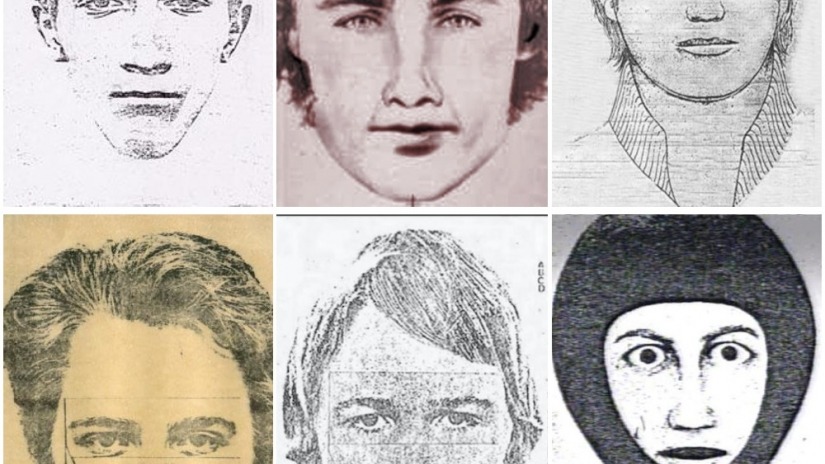
Sketches of the Golden State Killer during his crime spree.
The Golden State Killer is thought to have killed 12 people, raped 45 people and burglarized more than 120 homes in multiple communities between 1976 and 1986.
The case has raised the issue of genetic testing to a new level of prominence in the public eye. Some other good coverage of the issue includes:
- A New Law Would Give More Money For Prosecuting Cold Cases Like The Golden State Killer (Buzzfeed)
- The Golden State Killer and DNA (DNAeXplained)
- What to know about the privacy of your DNA in wake of 'Golden State Killer' suspect's arrest (ABC News)